How to Zero a Rifle Scope in the UK – Step-by-Step Beginner’s Guide
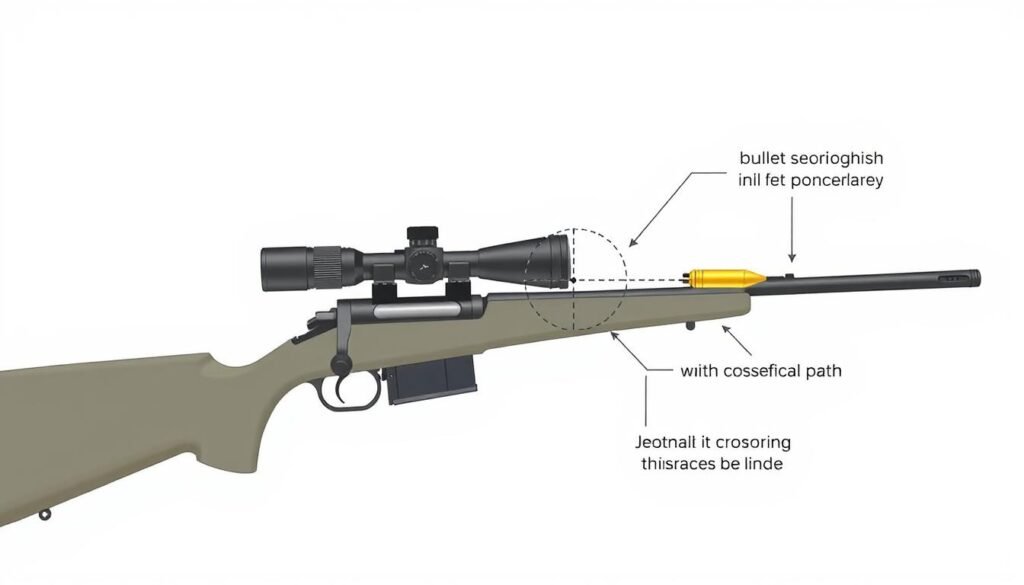
Learning how to zero a rifle scope UK shooters can rely on is a fundamental skill every marksman needs to master. Whether you’re new to shooting or looking to refine your technique, proper zeroing ensures your shots consistently hit where you aim. This comprehensive guide walks you through the entire process, from understanding the basics to executing precise adjustments for different rifle types common in the UK.
With the right approach and a bit of patience, you’ll be able to achieve remarkable accuracy with your rifle and scope combination, making your shooting experience more rewarding and effective.
Understanding the Basics of Zeroing a Rifle Scope in the UK
Before diving into the step-by-step process of how to zero a rifle scope UK shooters should use, it’s important to understand what zeroing actually means and why it’s crucial for accurate shooting.
What Does “Zeroing” Mean?
Zeroing a rifle scope means aligning your scope’s reticle (crosshairs) with the point where your bullet actually impacts at a specific distance. When properly zeroed, your rifle will hit exactly where you aim at that chosen distance. This is the foundation of accurate shooting and is essential whether you’re target shooting, hunting, or involved in pest control.
For UK shooters, understanding the zeroing process is particularly important due to our specific shooting conditions, legal requirements, and common shooting distances. A properly zeroed scope ensures ethical hunting and effective pest control, which are important considerations under UK wildlife management guidelines.
Key Components in the Zeroing Process
Before you begin zeroing your scope, familiarize yourself with these essential components:
Having the right equipment makes a significant difference in the zeroing process. Quality variable zoom scopes, like the Schmidt & Bender 5-20×50 PM II, offer exceptional clarity and precise adjustment capabilities that make the zeroing process much more straightforward.
Preparation: Setting Up for Success
Proper preparation is crucial for efficiently zeroing your rifle scope. Taking the time to set up correctly will save you ammunition and frustration later.
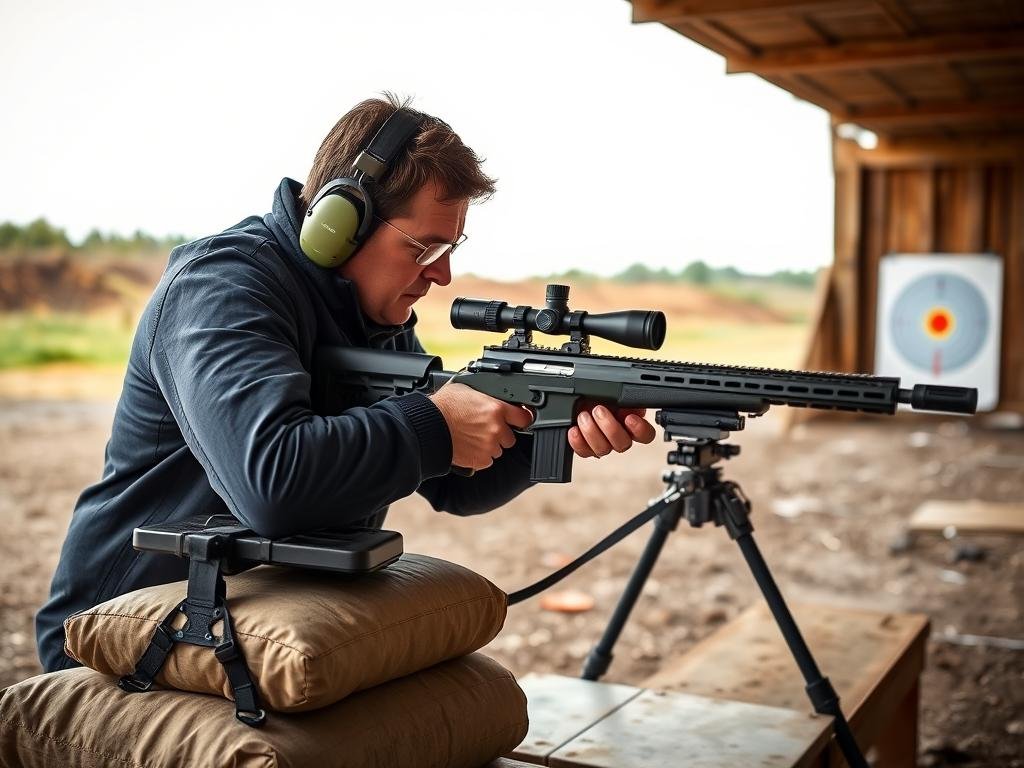
Essential Equipment
Safety First
Before beginning the zeroing process, ensure you’re following all UK safety protocols:
Always follow the BASC Code of Practice for rifle shooting. Ensure you have a safe backstop, are shooting in a permitted area, and are complying with all local regulations. Never zero a rifle in an unauthorized location.
When selecting a location for zeroing, UK shooters should use an approved range or private land with appropriate permission and safety measures. For those looking for precision at longer distances, a scope with higher magnification like the Nightforce ATACR 7-35×56 can make the process more precise, especially when zeroing at distances beyond 100 yards.
How to Zero a .177 & .22 Air Rifle Scope
Air rifles are extremely popular in the UK and require a specific approach to zeroing due to their unique ballistic characteristics.
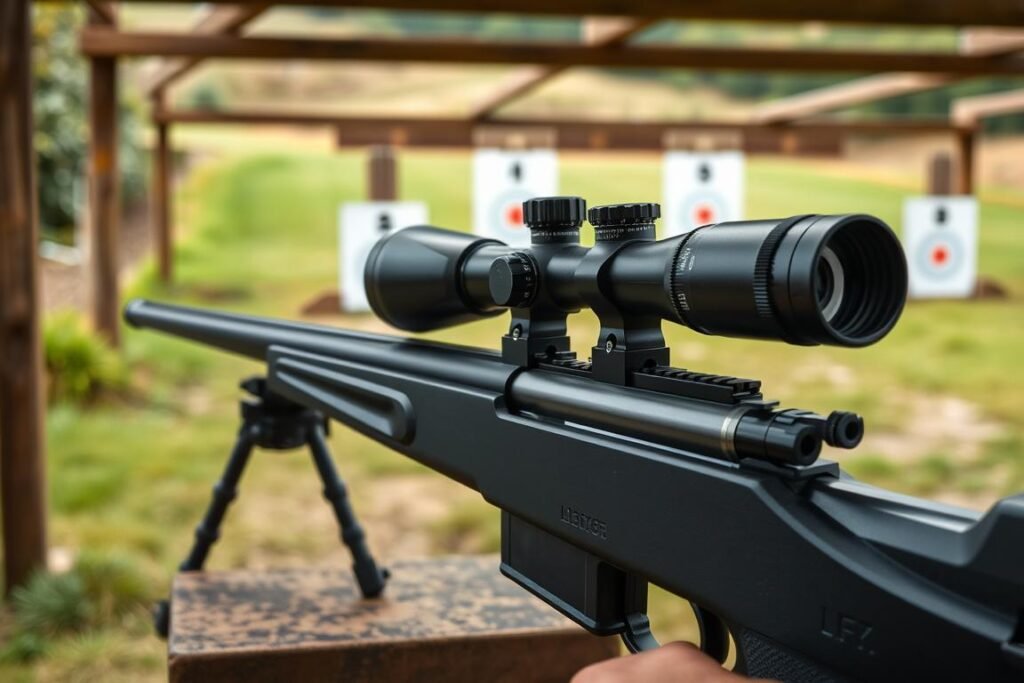
Step-by-Step Air Rifle Scope Zeroing
Ensure your scope is properly mounted with rings tightened to the manufacturer’s specifications. Check that the scope is level before proceeding.
For air rifles in the UK, start at 10-15 yards for initial alignment, then move to your final zero distance (typically 25-30 yards for air rifles).
Use a bench rest or sandbags to create a solid shooting platform. Minimize body contact with the rifle to reduce movement.
Aim at the centre of your target and fire three shots, focusing on consistency in your shooting technique.
Determine how far your group’s centre is from your aim point, both horizontally and vertically.
Adjust your scope according to where your shots landed. For most air rifle scopes, each “click” moves the impact point by ¼ inch at 25 yards.
After adjustments, fire another three-shot group to verify your changes.
Continue adjusting and testing until your shots consistently hit where you aim.
Special Considerations for UK Air Rifles
Air rifles in the UK are typically limited to 12 ft-lbs for rifles and 6 ft-lbs for pistols. This affects their trajectory and optimal zeroing distance:
.177 Air Rifles
.22 Air Rifles
For consistent air rifle shooting, many UK shooters prefer reliable fixed-power optics such as the Schmidt & Bender 8×56 Klassic, which offers excellent light gathering capabilities for dawn and dusk shooting sessions.
Zeroing a Rimfire Rifle Scope
Rimfire rifles, particularly .22LR, are widely used in the UK for target shooting and pest control. Their zeroing process differs slightly from air rifles due to their higher velocity and flatter trajectory.
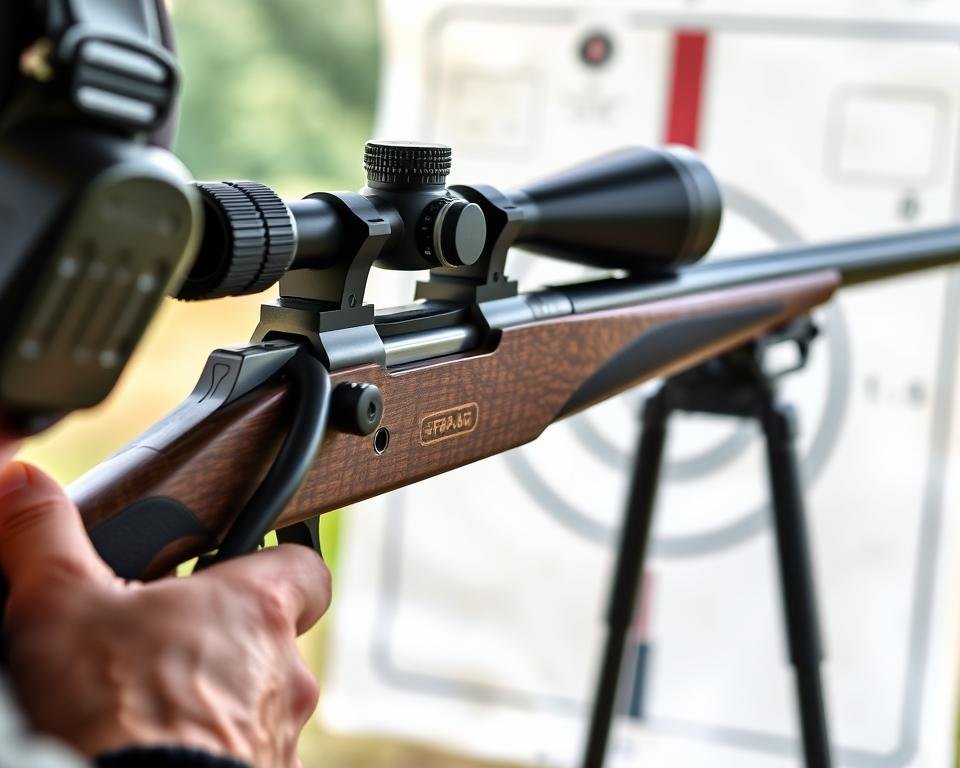
Step-by-Step Rimfire Zeroing Process
Start your zeroing process at 25 yards to get on paper quickly.
Using a stable rest, fire five shots aiming at the same point each time.
Measure how far your group centre is from your aim point. For most rimfire scopes, 1 MOA equals approximately 1/4 inch at 25 yards.
Make the necessary windage (left/right) and elevation (up/down) adjustments.
Fire another group to confirm your adjustments are correct.
Once zeroed at 25 yards, move to 50 yards and repeat the process.
For most UK rimfire shooting, a final zero at 50-75 yards provides the most versatile setup.
Rimfire Ballistics Considerations
Rimfire ammunition varies significantly in velocity and performance. Standard velocity .22LR typically shoots at around 1050-1070 fps in the UK, while high-velocity variants can reach 1200-1300 fps. This affects your optimal zeroing distance and trajectory.
When zeroing a rimfire rifle, be aware that different ammunition brands and types can impact your point of impact. Once you’ve zeroed with a particular ammunition, stick with it for consistent results.
When considering rifle platforms for rimfire shooting, the Ruger Mini-14 Tactical represents a popular choice among UK shooters for its reliability and accuracy potential.
Zeroing a Centrefire Rifle Scope
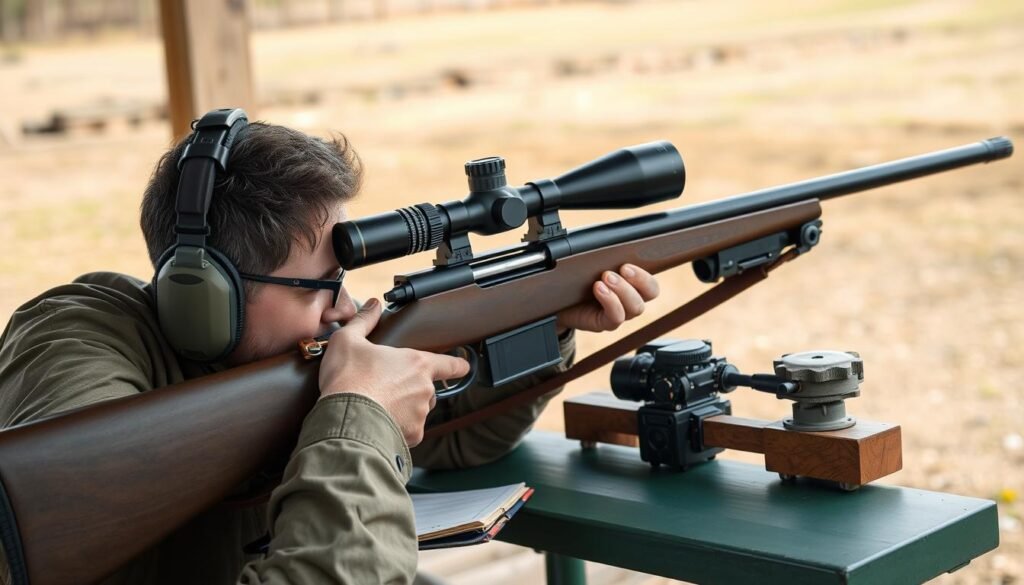
Centrefire rifles require the most precise zeroing due to their use in hunting and long-range shooting. The process is similar to rimfire zeroing but with additional considerations for distance and ballistics.
Step-by-Step Centrefire Zeroing Process
Begin with bore sighting to get on paper quickly. This can be done with a laser bore sighter or by removing the bolt and visually aligning the barrel with the target.
Fire initial shots at 25-50 yards to confirm you’re on paper.
Once on paper at shorter distances, move to 100 yards for your primary zeroing.
Using a stable rest, fire three shots at the centre of your target.
Calculate needed adjustments. For most centrefire scopes, 1 MOA equals 1 inch at 100 yards.
After adjustments, fire another group to confirm your zero.
Continue adjusting until your groups consistently hit your aim point.
If using for hunting, verify your zero at typical hunting distances (e.g., 150-200 yards).
Understanding Ballistic Drop
Centrefire rifles have significant ballistic considerations that affect zeroing:
| Calibre | Recommended Zero | Point Blank Range* | Maximum Effective Range** |
| .223 Rem | 100 yards | ~200 yards | 300-400 yards |
| .243 Win | 100 yards | ~225 yards | 400-500 yards |
| .308 Win | 100 yards | ~200 yards | 500-600 yards |
*Distance within which you can aim directly at the target without adjusting for drop
**Typical maximum range for ethical hunting in UK conditions
For long-range precision shooting with centrefire rifles, a high-magnification scope like the Nightforce ATACR 7-35×56 provides the detail needed for precise zeroing and shot placement.
Best Zeroing Distances in the UK
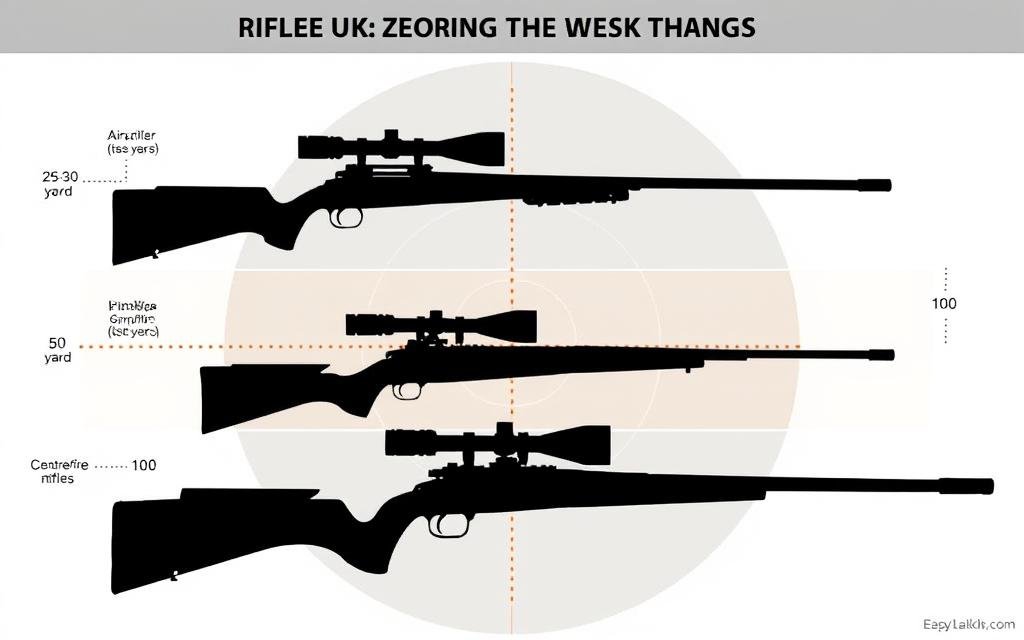
Choosing the right zeroing distance depends on your rifle type and intended use. Here are the recommended zeroing distances for UK shooters:
Air Rifles
Rimfire Rifles
Centrefire Rifles
In the UK, most deer stalking is done at ranges under 200 yards. A 100-yard zero with most deer legal calibres will keep you within a 3-inch vertical window out to approximately 200 yards, suitable for ethical shot placement on deer species.
For comprehensive information on selecting the right optics for your specific zeroing needs, visit our tactical scope buying guide which covers everything from magnification to reticle selection.
Common Zeroing Mistakes UK Shooters Make
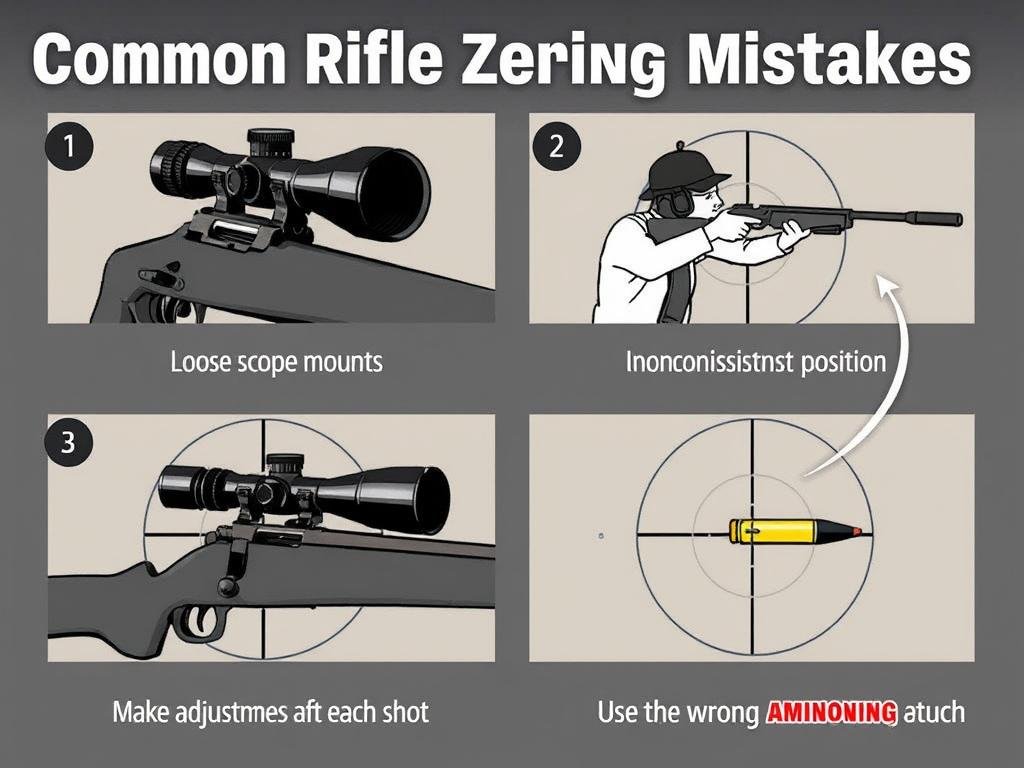
Even experienced shooters can make these common errors when zeroing their rifle scopes:
Technical Errors
Shooting Technique Errors
Environmental Considerations
“The most common mistake I see UK shooters make is rushing the zeroing process. Take your time, use proper technique, and confirm your zero at multiple distances for best results.”
UK Legal & Safety Notice
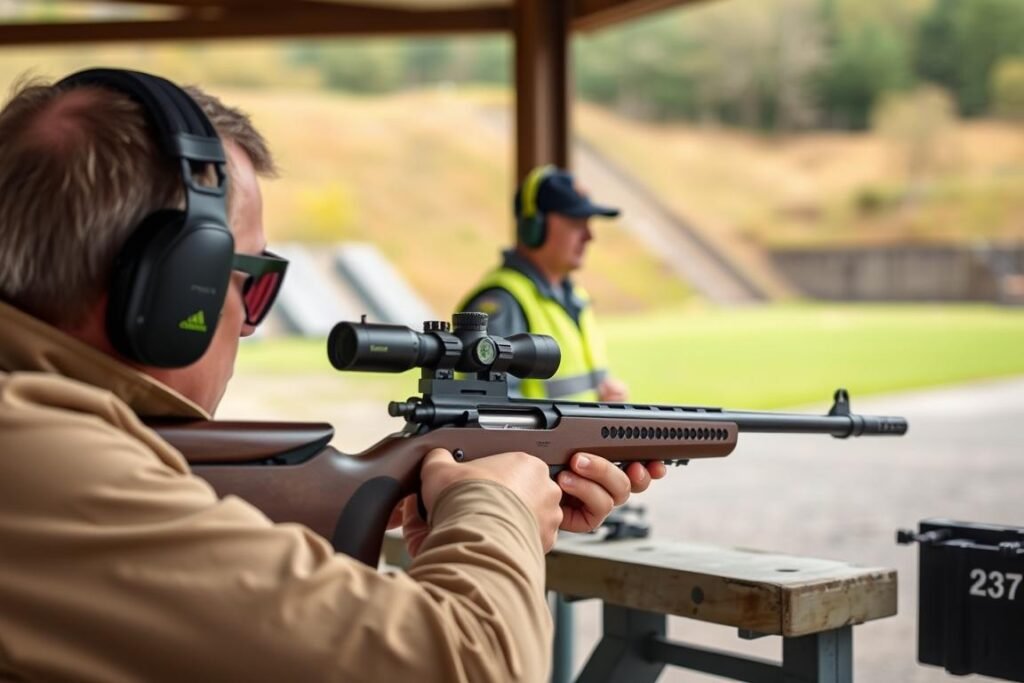
When zeroing a rifle scope in the UK, it’s essential to understand and comply with all relevant laws and safety practices:
Legal Requirements
In the UK, you must have appropriate licensing for your firearm:
- Firearms Certificate (FAC) for rimfire and centrefire rifles
- No certificate required for air rifles under 12ft-lbs (though an FAC is required for higher-powered air rifles)
- You must be 18 or older to purchase or own a rifle (14 for air rifles with adult supervision)
Always follow the UK Firearms Law and local regulations.
Safety Protocols
The British Association for Shooting and Conservation (BASC) provides comprehensive guidance on safe shooting practices that all UK shooters should follow.
Frequently Asked Questions
Here are answers to some common questions UK shooters ask about zeroing rifle scopes:
How often should I check my rifle’s zero in the UK?
You should check your zero before any hunting trip or competition, after any transport of your rifle, if you change ammunition, or if your rifle has been bumped or dropped. As a general rule, confirming your zero every 3-6 months is good practice for regular shooters in the UK.
What’s the best weather for zeroing a rifle scope in the UK?
Ideally, zero your rifle in calm, overcast conditions with good visibility. Avoid days with strong or gusting winds, heavy rain, or extreme temperatures. Mild weather that represents your typical shooting conditions in the UK is best.
How many shots should I fire when zeroing my rifle?
For initial zeroing, fire groups of 3-5 shots before making adjustments. Once you’re close to zero, a final group of 5 shots will confirm your zero. In total, expect to use 15-25 rounds for a complete zeroing process.
Should I zero my air rifle at 30 yards or 40 yards in the UK?
For most UK air rifle shooting (hunting or target), a 30-yard zero provides the most versatile setup. This gives you a point-blank range from approximately 20 to 40 yards. If you primarily shoot at longer distances, a 35-40 yard zero might be more suitable.
Do I need to re-zero if I change ammunition brands?
Yes, different ammunition brands and even different batches of the same brand can have slightly different points of impact. Always confirm your zero when switching ammunition.
How do UK shooting ranges differ for zeroing compared to other countries?
UK ranges often have stricter safety protocols and may have different distance markings (yards vs. meters). Many UK ranges also have specific zeroing bays or times allocated for zeroing. Always check the range rules before attending for a zeroing session.
Can I zero my rifle scope at home in the UK?
You can only zero your rifle at home if you have sufficient private land with appropriate safety measures and legal permission to discharge your firearm there. For most UK shooters, using an approved range is the safest and most legal option.
Conclusion
Mastering how to zero a rifle scope UK shooters can rely on is an essential skill that improves accuracy, confidence, and overall shooting enjoyment. By following the step-by-step processes outlined in this guide, you’ll be able to properly zero any type of rifle scope for your specific needs.
Remember that zeroing is not a one-time process—regular confirmation of your zero ensures consistent performance. Take your time, follow safety protocols, and practice good shooting technique throughout the zeroing process.
For the best results, invest in quality optics that match your shooting requirements. Whether you need a versatile variable zoom scope for different shooting scenarios or a specialized fixed-power optic for specific applications, Tactical Scope Hub offers a comprehensive selection to meet the needs of UK shooters.
Ready to Improve Your Shooting Accuracy?
Explore our range of premium rifle scopes specifically selected for UK shooting conditions.